
Services
Physiotherapy in Southampton
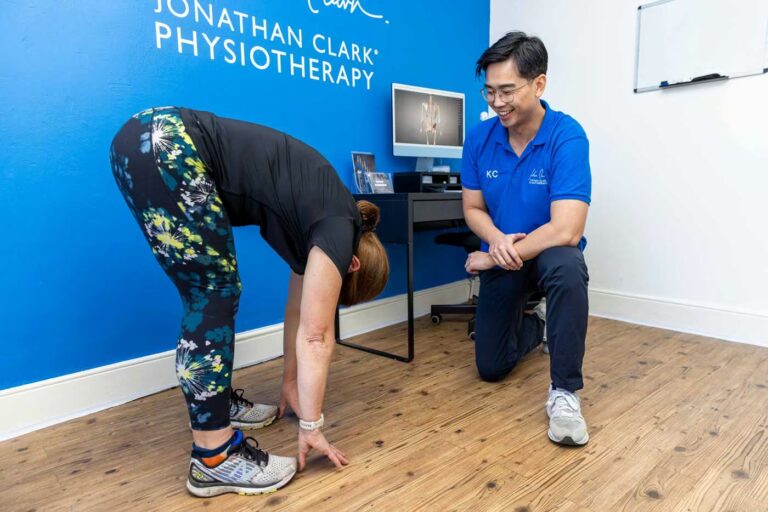
Physiotherapy helps diagnose and treat pain affecting muscles, joints, ligaments and nerves. Whether symptoms developed gradually or after an injury, the aim is to reduce pain, restore movement and help you return to normal activity safely.
At Jonathan Clark Physiotherapy in Southampton, treatment begins with a detailed assessment to understand the cause of your symptoms. Your physiotherapist will then guide you through a structured recovery plan that may include hands on treatment, rehabilitation exercises and practical advice.
Many patients visit us for issues such as back pain or neck pain, although physiotherapy can support a wide range of musculoskeletal conditions.
What Physiotherapy Can Help With
Joint and Muscle Pain
Many patients seek treatment for everyday musculoskeletal problems such as back pain, shoulder pain and knee injuries.
You can read more about specific conditions we treat, including shoulder pain and knee pain.
Sports and Activity Injuries
Physiotherapy is widely used to treat injuries linked to sport or physical activity. These may include muscle strains, ligament injuries and tendon problems.
Active individuals may also benefit from sports physiotherapy, which focuses on safe return to activity and injury prevention.
Nerve Related Pain
Some conditions involve irritation or compression of nerves, which may cause symptoms such as shooting pain, numbness or tingling.
A common example is sciatica, where physiotherapy can help reduce pressure on the affected nerve and restore movement.

Our Approach to Physiotherapy
Your treatment plan may include:
- Clinical assessment and diagnosis
- Manual therapy
- Targeted rehabilitation exercises
- Movement retraining
- Strengthening and conditioning
What to Expect at Your Appointment
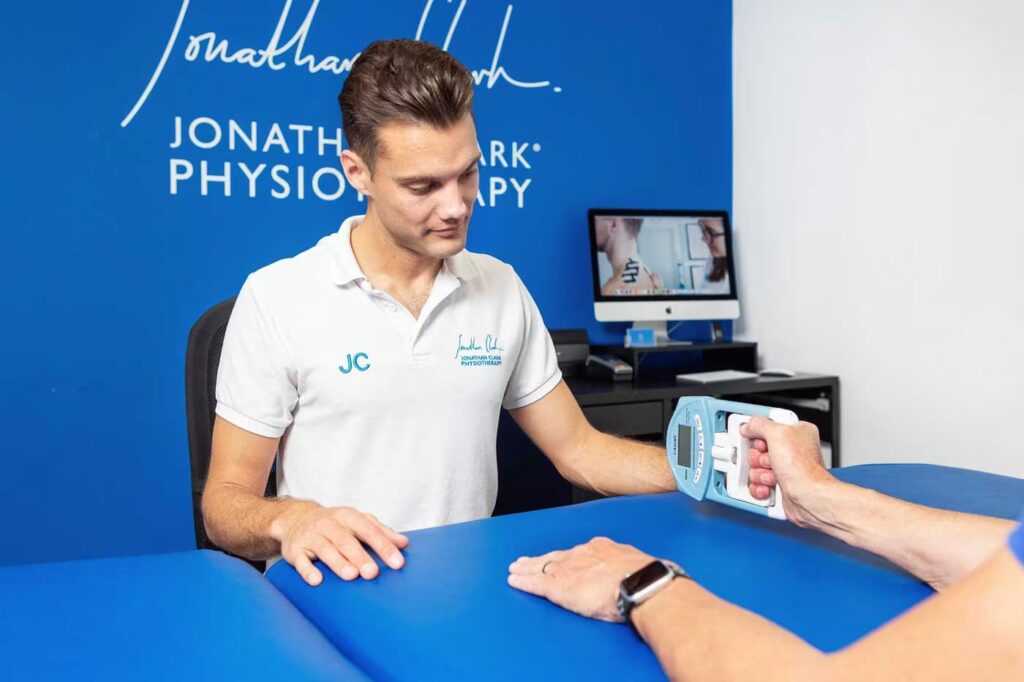
Initial Assessment

Diagnosis and Treatment Plan

Treatment and Rehabilitation

Preventing Recurrence

How Long Does Recovery Take?
Most treatment plans focus on:
- Reducing pain and inflammation
- Restoring movement
- Improving strength and stability
- Building resilience to prevent recurrence
Physiotherapy Clinic in Southampton
Jonathan Clark Physiotherapy operates clinics across Hampshire, including our Southampton location.
Patients regularly visit from Southampton, Eastleigh, Whiteley, Chandler’s Ford and surrounding areas.
If you would like to learn more about the clinic or the team providing treatment, you can visit the Meet the Team page.
Book a Physiotherapy Appointment
If pain or injury is affecting your daily life, early assessment can help prevent symptoms worsening.
Appointments can be booked online or by calling our reception team.
You can also view physiotherapy pricing and membership options before booking.Find a location near you
Southampton Clinic
- 19 Oxford St, Southampton SO14 3DJ
- info@jonathanclarkphysiotherapy.com
- 02381300260
- On street pay & display parking is available directly in front of the clinic
- M-F - 8.00am-9.00pm
- Sat - 8.00am-4.00pm
Whiteley Clinic
- Office 73, BizSpace Fareham Solent Business Park Steel House Plot 4300, Fareham PO15 7FP
- info@jonathanclarkphysiotherapy.com
- 02381300260
- There is free parking available in the BizSpace Fareham car park, directly in front of the building.
- M-F - 8.00am-9.00pm
Midhurst Clinic
- The Redwood Suite, Riverbank Medical Centre, Dodsley Ln, Easebourne, Midhurst GU29 9AW
- info@jonathanclarkphysiotherapy.com
- 02381300260
- There is free parking available in the Riverbank Medical Centre car park, directly in front of the building
- M-F - 8.30am-6.00pm
Eastleigh Clinic
- Office 125, Regus Southampton Airport, International House, International Business Park, George Curl Way, Southampton SO18 2RZ
- info@jonathanclarkphysiotherapy.com
- 02381300260
- There is free parking available in the Regus Southampton Airport car park, directly in front of the building
- M-W - 8.00am-8.30pm
- T-F – 8.00am-4.00pm
- Sat - 9.00am-5.00pm
- Sun - 9.00am-8.30pm
Chandlers Ford Clinic
- Studio Twenty, 3 The Central Precinct, Chandler's Ford, Eastleigh SO53 2GB
- info@jonathanclarkphysiotherapy.com
- 02381300260
- There is free parking available in the Chandlers Ford Precinct car park, directly to the left of the precinct
- Mon: 12.30pm-8.30pm
- Tue: 8.00am-4.00pm
- Wed: 8.00am-8.00pm
- Thu: 8.00am-9.00pm
- Fri: 8.00am-8.00pm